Light, Midsize or Heavy Jet? How to Choose
A friendly guide to matching a private aircraft to your trip, using distance, passengers, luggage and airports, from turboprops to ultra-long-range jets.
The right private aircraft is the smallest one that flies your trip comfortably, non-stop where possible, with room for everyone and everything coming along. Distance narrows the field first, then passengers and luggage, then the airports you want to use.
Here’s a simple way to think it through, category by category.
Start with distance
Range decides more than anything else. These are typical figures; the real number depends on the exact aircraft, passengers, luggage, weather and winds.
| Category | Typical passengers | Typical range | Often used for |
|---|---|---|---|
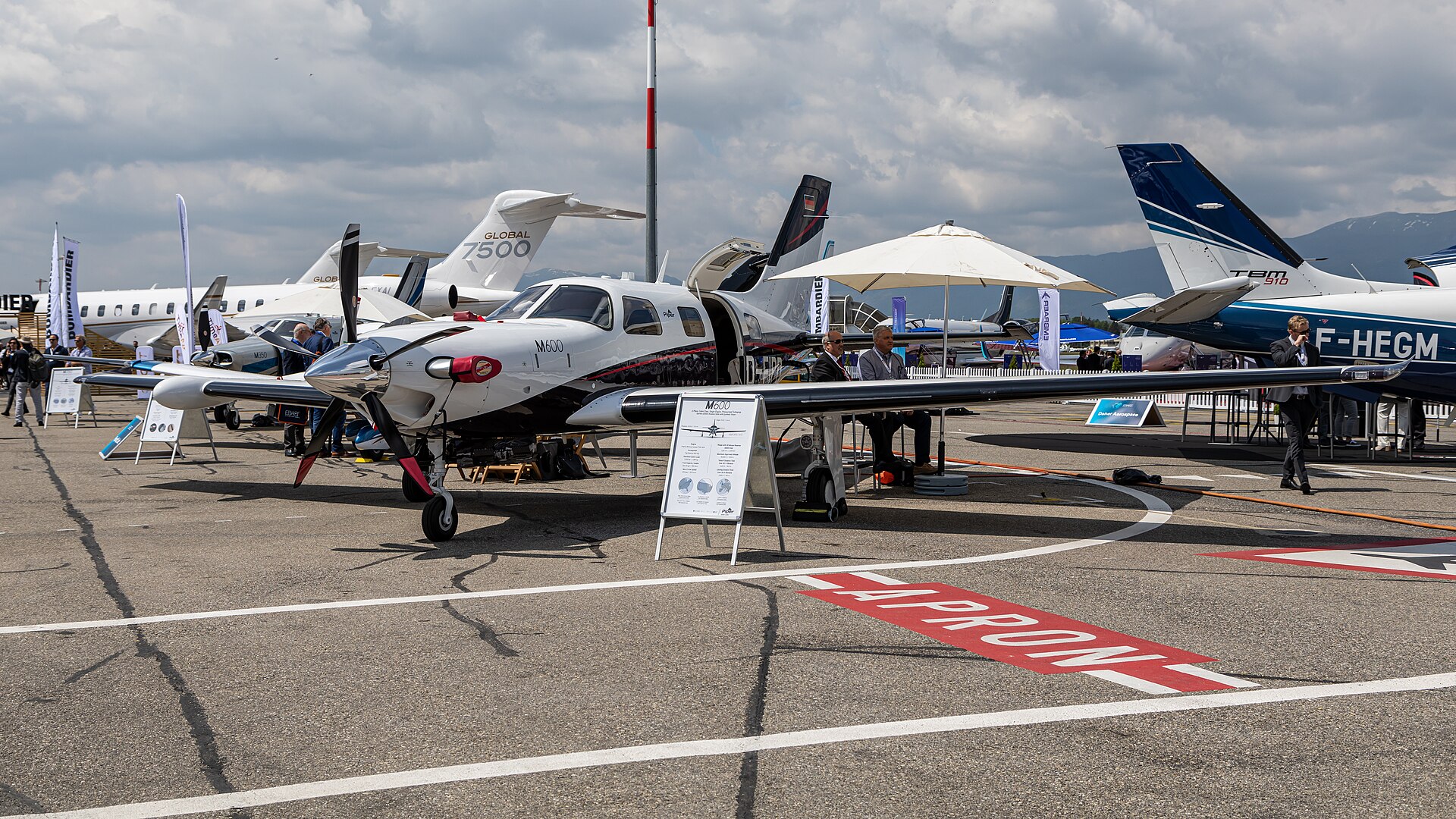
| Turboprop | 6–8 | ~1,900 km | Short regional trips, smaller airfields |
| Light jet | 5–7 | ~2,400 km | One- to three-hour flights, day returns |
| Midsize jet | 7–8 | ~4,600 km | Longer domestic legs |
| Super-midsize jet | 8–9 | ~5,500 km | Coast-to-coast flights |
| Heavy jet | 10–14 | ~11,000 km | Transatlantic overnight trips |
| Ultra-long-range jet | 12–16 | ~14,000 km | Intercontinental non-stops |
For a picture of each, the fleet page walks through them one after another.
Choose the smallest aircraft that does the whole trip comfortably. Every size up should buy you something you’ll actually feel.
Then count people and bags
Seats are only half the story. Luggage is the most common reason to step up a size.
- Ski bags, golf clubs and large suitcases take up room that a small cabin may not have.
- Long flights feel better with space to stretch, stand and move around.
- Children and pets often travel more happily with a little extra room.
A light jet seating six can be perfect for four people with carry-on bags, and a squeeze for six people with ski gear. Be honest with your advisor about what’s coming; it’s the easiest way to a comfortable trip.
Consider the airports
Smaller aircraft can often use smaller airfields, closer to where you actually want to be. Turboprops, in particular, are at home on shorter runways and regional airports. Larger jets need longer runways but bring range and cabin space.
Your advisor will look at both ends of the trip, plus things like customs availability, opening hours and any night-time restrictions.
A closer look at each category
Turboprop
Economical and capable, turboprops shine on short regional hops and smaller airfields. Think lakeside cottages, regional business trips and island hops.
Light jet
Jet speed and comfort for flights of one to three hours. A favourite for business day returns, such as a morning meeting in another city and home for dinner.
Midsize jet
More cabin room, a larger baggage hold and usually an enclosed lavatory. A comfortable choice for longer domestic legs.
Super-midsize jet
A stand-up cabin, higher cruise speeds and the range for coast-to-coast travel. Often the sweet spot for groups who want space without moving to a heavy jet.
Heavy jet
A full galley, a cabin attendant and the option to sleep flat. Built for overnight transatlantic and transpacific journeys.
Ultra-long-range jet
Multiple living areas, often a private stateroom, and the range to link many city pairs non-stop. For the longest journeys, when arriving rested is the whole point.
Three quick examples
- Toronto to New York, four passengers, day trip: a light jet is usually the natural fit.
- Toronto to Vancouver, eight passengers with luggage: a super-midsize jet keeps it comfortable and non-stop.
- Toronto to London overnight, ten passengers: a heavy jet lets everyone sleep and arrive refreshed.
These are starting points, not rules. Availability, timing and price all play a part, and sometimes a different aircraft is the smarter choice on the day.
Let us do the matching
You don’t need to pick the aircraft yourself. Share your route, your group and your luggage, and we’ll suggest the right options across independent operators. Start a trip request.